What the Fishin Frenzy demo doesn't warn you about
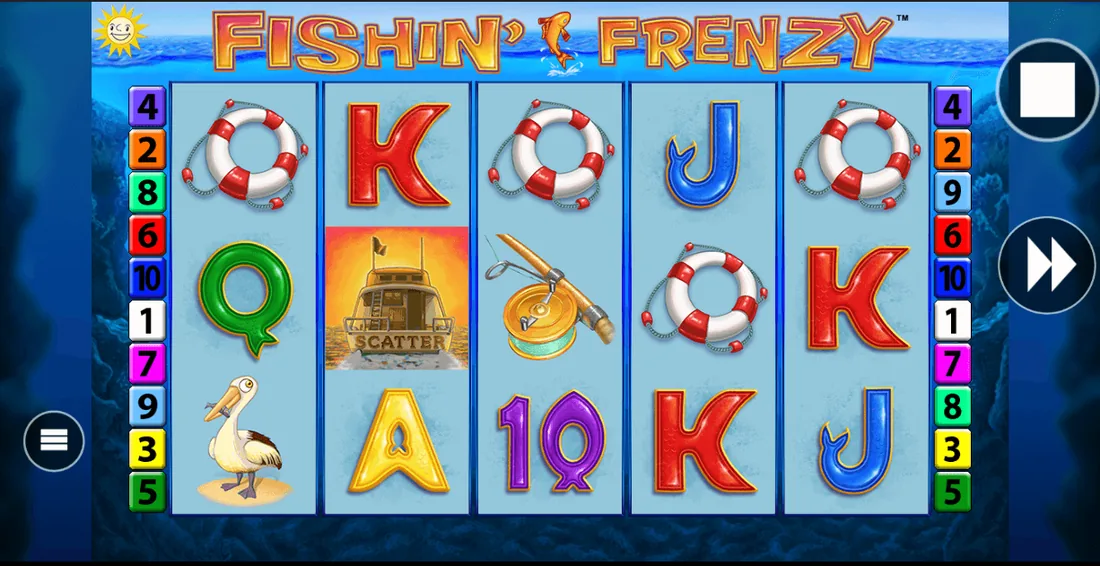
You open the game, tap «Play for Fun», and the reels spin instantly — no registration screen, no ID upload, no waiting. The fisherman casts his line, fish symbols land, and a £500 virtual balance sits in the corner. It feels frictionless, and that's the problem: the demo skips every queue, every verification gate, and every withdrawal rule you'll meet the moment you switch to real money.
Free play on a UKGC-licensed site gives you the genuine Blueprint Gaming math — the same RTP, the same bonus trigger rate, the same reel positions — but it wraps that math in a fantasy where deposits clear in one second, withdrawals need no documents, and there's no £150-a-month affordability threshold watching your account. This guide walks through what the demo shows accurately, what it hides completely, and how to cross into real-money play without stumbling over the gaps.
Where the demo lives and whether you need an account
Most UKGC operators put the Fishin Frenzy demo behind a logged-in wall: you register, pass the automatic age check against the electoral roll or credit-reference file, then unlock free play. A handful of sites — typically the larger casino brands — let you spin the demo with no login at all, running the game in your browser as a pure preview. The regulation itself doesn't mandate either approach; the Gambling Commission cares that anyone touching real money is verified, but demo-only visitors sit in a grey area that each operator handles differently.
If the site asks for an email and date of birth before showing the demo, that's the age gate doing its job. You won't deposit yet, but the operator has logged your attempt and will cross-check your details against third-party databases in the background. Once you're through, the demo button appears next to the real-money button on the game tile, and you toggle between the two modes without reloading the page.
The demo itself runs in HTML5, so it works on any modern phone or tablet browser — no APK download, no App Store approval needed. Blueprint hosts the game files on its own servers; the casino site embeds the player in an iframe and switches a parameter from «real» to «demo» when you tap the free-play toggle. Your virtual balance resets to £500 or £1,000 each time you reload, and the session lasts until you close the tab or the browser times out after 15–20 minutes of inactivity.
The bet range you see now and the one that waits in real mode
In the demo, the coin selector runs from £0.10 to £250.00 per spin — a range that exists only in the game's code and has no connection to UK law. The moment you switch to real money on a UKGC site, that ceiling drops to £5.00 for players aged 25 and up, and £2.00 if you're 18–24. The operator's platform reads your date of birth from the registration file and enforces the cap automatically; you'll see the slider grey out above the legal limit, and any attempt to raise the stake further will trigger a pop-up explaining the age restriction.
The demo won't tell you this. It lets you bet £100 per spin, watch the Free Spins round deliver a £4,000 win on the virtual balance, and assume that same win is possible when you deposit £50 in reality. It isn't — not at that stake, and not without encountering the affordability check that kicks in once your net deposits cross £150 in a calendar month. The first stage pulls your name through Equifax or TransUnion to confirm your address and income band; if the data suggests you're depositing beyond your means, the account freezes until you upload three months of bank statements and a payslip.
| Mode | Stake floor | Stake ceiling | Affordability gate |
|---|---|---|---|
| Demo | £0.10 | £250.00 | None |
| Real money (25+) | £0.10 | £5.00 | £150/month |
| Real money (18–24) | £0.10 | £2.00 | £150/month |
The pace in the demo matches real play if you leave auto-spin off: roughly four seconds per spin, counting the reel stop, symbol animations, and win tally. Turn auto-spin on, and the game accelerates to 1.5–2 seconds per round — the same speed you'll get in real mode, where that pace can chew through £50 in under ten minutes at £1.00 per spin. The demo balance refills endlessly, so the speed feels harmless; real money has no refill button, and the Faster Payments deposit that took 30 seconds to arrive will take a day to come back if you request a withdrawal.
What the RTP and volatility mean when no real loss is possible
The demo runs the identical RNG sequence and 96.12% RTP that Blueprint certified for the live game, so every spin outcome — fish landing, scatter positions, Free Spins triggers — is statistically indistinguishable from real money. The difference is consequence: in the demo, a 40-spin dry streak costs nothing, teaches nothing about your risk tolerance, and resets when you reload the page. In real mode, that same streak on £1.00 stakes drains £40 from your debit card, and there's no guarantee the next 40 spins will recover it.
Volatility in Fishin Frenzy sits at medium, which translates to a bonus trigger roughly every 100–150 spins and base-game wins frequent enough to keep the balance drifting rather than plummeting. The demo will show you both patterns — long waits between Free Spins, then a 12x or 15x payout when the round finally hits — but it won't show you the anxiety of watching your real balance fall from £50 to £12 while the feature refuses to land. That emotional cost is the gap between free and real play, and no RTP figure captures it.
The withdrawal that doesn't exist and the KYC queue that does
The demo has no cashier button, no withdrawal form, and no concept of a pending payout. You press «Collect» after a win, the virtual balance ticks up, and the number just sits there with no path back to your bank account. Real money introduces a three-stage bottleneck: you request the withdrawal, the operator queues it for manual review (especially on the first payout), and the payment provider sends the funds to your bank via Faster Payments or back to the debit card you used for the deposit.
That first withdrawal triggers the full KYC check — photo ID, proof of address dated within three months, and sometimes a selfie holding your ID if the automated document scan flags a mismatch. The site's terms will say «up to 72 hours» for document approval, but 24–48 hours is the practical norm for straightforward cases. If you've used a debit card that doesn't match the name on your ID, or if your address on the utility bill differs from the one you entered at registration, expect a delay while the compliance team sends you an email requesting clarification. The demo skips this entirely, so your first real-money withdrawal always takes longer than you expect.
- E-wallet withdrawals (PayPal, Skrill) clear within a few hours once the KYC is complete, but you must have deposited with the same e-wallet to receive funds there.
- Faster Payments to your bank account takes the same day to two working days; weekends and bank holidays push the arrival into the following week.
- Debit card refunds — sending the money back to the Visa or Mastercard you deposited with — can take one to three working days, and some card issuers hold the funds for an extra day before showing them in your statement.
The demo never mentions that credit cards have been banned for gambling since April 2020, so if you deposit £50 with a Barclaycard or an American Express, the payment will decline and the account may be flagged for attempting to use prohibited funding. Debit cards, PayPal, Apple Pay, and Open Banking are the legal routes; paysafecard works but caps deposits at £1,000 per transaction and complicates the KYC process because there's no name attached to the voucher.
Bonus offers and the wagering the demo will never show
When you switch from demo to real money, many UKGC operators will offer a welcome package — common examples in this market include a 100% deposit match up to £100, or 50 free spins on selected slots. The terms attach a wagering requirement, typically 35x to 40x the bonus amount, meaning a £50 bonus obligates you to wager £1,750–£2,000 before you can withdraw any winnings generated from that bonus balance. The demo has no bonus system, no wagering meter, and no concept of restricted funds, so this ruleset arrives as a surprise the first time you try to cash out and see half your balance locked behind an incomplete playthrough.
Fishin Frenzy itself usually contributes 100% toward wagering when played with bonus funds — slots almost always do — but the key detail is that the game's medium volatility makes it a slow grind to clear £1,750 of turnover. At £1.00 per spin, that's 1,750 spins, or roughly seven hours of continuous play if you're spinning every four seconds. The demo won't simulate this; it just shows you the game math in isolation, with no bonus funds, no wagering clock, and no penalty for closing the game before you've cleared the requirement.
Running the demo on a phone and what changes on a small screen
Blueprint's HTML5 build scales to any screen size, so the demo plays identically on an iPhone, a Samsung Galaxy, or a tablet. The reel grid compresses slightly on a phone, and the paytable and settings menus slide in from the side rather than appearing as overlays, but the stake selector, spin button, and auto-spin controls stay in the same relative positions. You tap instead of clicking, but the bet range, RTP, and bonus mechanics don't change.
The mobile browser version loads in Safari, Chrome, or Firefox with no download required — type the casino site's URL, navigate to Fishin Frenzy, and tap the demo toggle. A small number of UKGC operators also publish native iOS and Android apps that include the demo inside the app itself; these are legitimate if the app page lists the operator's UKGC licence number and links to the Gambling Commission register. Avoid any «Fishin Frenzy APK» or «mod APK» download from a third-party site — these are either pirated copies with altered math or malware disguised as a game installer.
One practical difference on a phone: the auto-spin toggle is easier to tap by accident when you're holding the device one-handed, and the accelerated pace — down to 1.5 seconds per spin — becomes harder to track when notifications or incoming calls interrupt the session. The demo balance refills instantly, so you won't notice if you've burned through £200 of virtual money in three minutes, but that same pace in real mode is where players lose track of their spend and hit the daily deposit limit before they realise the session has gone sideways.
The lowest-risk path from demo to real money
If the demo has convinced you to try real stakes, the safest entry is a small test deposit — £10 to £20 — with no bonus attached. Declining the welcome offer removes the wagering requirement, so anything you win is withdrawable immediately after the KYC check. Set the stake to the floor (£0.10 per spin on most sites, sometimes £0.20 if the operator has raised the minimum) and run 50–100 spins to see how the game feels when every loss is real and every win needs to clear the compliance queue before it reaches your bank account.
Check the operator's UKGC licence before you deposit: scroll to the footer, find the licence number (it's a five- or six-digit reference), and look it up in the Gambling Commission's public register at the UKGC website. The register will show the licence holder's legal name, the operating brand names covered by that licence, and whether any conditions or sanctions are attached. If the site has no licence number in the footer, or if the number doesn't appear in the register, close the tab — unlicensed operators have no legal standing in the UK, and you have no recourse if they refuse to pay a winning withdrawal.
- Set a deposit limit before your first payment — most UKGC sites prompt you to choose a daily, weekly, or monthly cap during registration, and you can adjust it downward at any time (upward changes require a 24-hour cooling-off period).
- Upload your KYC documents immediately after depositing, even if the site doesn't ask yet — this clears the queue before you request a withdrawal and avoids the frustration of a £100 win sitting in pending status while you scramble to photograph your driving licence.
- Play the demo for at least 200 spins at the stake you plan to use in real mode; this gives you a realistic preview of how long £20 lasts and how often the Free Spins feature lands at that bet level.
- Register with GAMSTOP before you start if you have any history of losing control with gambling — one registration blocks every UKGC-licensed site for six months, one year, or five years, and it's far easier to self-exclude preemptively than to chase losses and then try to stop mid-session.
Remember that the £150-a-month affordability threshold starts counting from your first deposit, not your first withdrawal. If you deposit £50 three times in the same calendar month, you'll cross the limit on the third transaction and trigger the initial credit-reference check. The demo never mentions this gate, so it arrives as a surprise — the deposit declines, the account locks, and you receive an email asking you to confirm your income band or upload supporting documents. Staying below £150 in net deposits (total in minus total out) keeps you under the radar for the first stage, though higher deposits at any level can still prompt a manual review if the compliance team flags unusual activity.
FAQ
Does the demo pay real money if I hit a big win?
No — demo winnings are virtual and can't be withdrawn. The balance resets when you reload the page, and there's no cashier button or payment option in free-play mode. The demo uses the same RNG and RTP as the real game, so the win frequency and payout sizes are accurate previews, but you need to switch to real-money mode and deposit funds before any win becomes cashable.
Can I play the demo without registering at all?
It depends on the operator. A few large UKGC-licensed casinos let you run the demo with no account, loading the game directly in your browser as a preview. Most sites require you to register and pass the automatic age check first, even for free play, because the Gambling Commission expects operators to verify that demo users are over 18. Once you're logged in, the demo toggle appears next to the real-money button on the game tile.
Why does the demo let me bet £250 per spin when the real limit is £5?
The demo runs Blueprint's full bet range — £0.10 to £250 — because the game code doesn't know which country you're in or what stake caps apply. The moment you switch to real money on a UKGC site, the platform enforces the legal ceiling: £5.00 for players aged 25 and up, and £2.00 if you're 18–24. The operator reads your date of birth from your registration details and greys out the stake slider above the allowed maximum.
If I play 500 demo spins and make a profit, will real money behave the same way?
The RTP and volatility are identical — 96.12% return and medium variance — but your demo session is one random sample, not a guarantee of future results. You might run 500 spins in the demo and see the balance climb £100, then switch to real money and lose £50 in the first 200 spins because the RNG sequence is different and the bonus trigger rate is an average, not a schedule. The demo shows you the game math; it doesn't predict your next session's outcome.